
What helps me when food sensitivities feel hard to manage
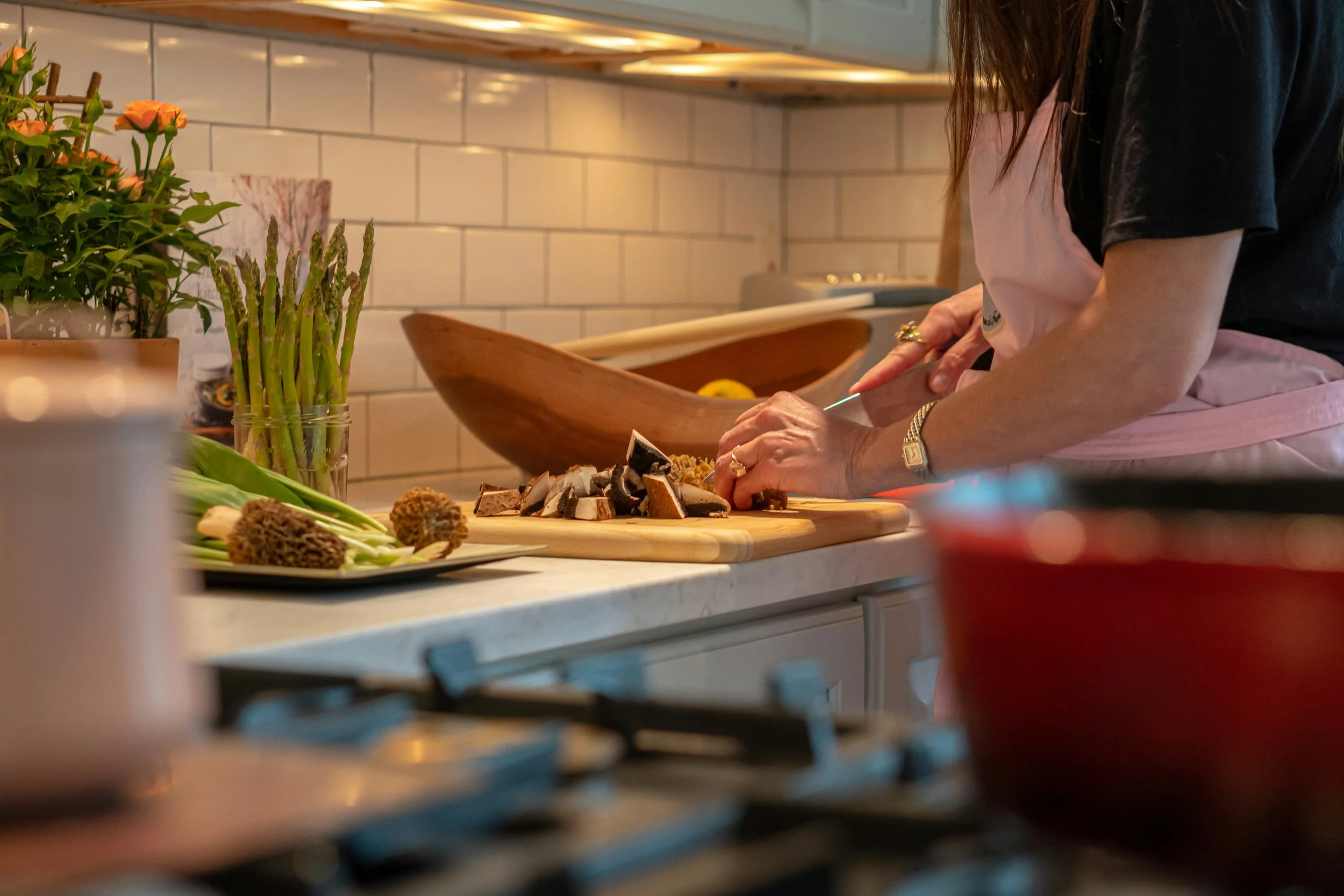
There are phases with food sensitivities where it doesn't just feel inconvenient, it feels hard to manage. Not because you don't understand what's going on, but because shopping and cooking take extra effort. Every meal needs thinking through, every ingredient scrutinising, there are no shortcuts to get a quick takeaway.
What made food sensitivities harder for me wasn't just the symptoms. It was the constant low level tension that builds up when you're half expecting symptoms to worsen because you've overlooked something.
And then there are the flare-ups that don't seem to make sense. Recently I had one out of nowhere: itchy eyes, aching muscles in my back, symptoms I hadn't felt in years suddenly back again. I went back over everything I'd eaten and eventually landed on tamari sauce, something I don't use often and hadn't thought twice about. That's the part that unsettles you most and knocks your feeling of safety. You go back over everything, trying to work out what you might have missed, never being 100 percent certain. If that experience sounds familiar, there is more on navigating it in What to do when a safe food stops working.
What helps me isn't controlling more or doing more. It's creating a sense of stability around it.
I have to accept that I can't hold everything in my head. For a long time I tried to keep track of what worked, what didn't, what I had eaten, how I felt, what I thought might be causing it. I even had an Excel spreadsheet for a while. The problem was I had to fire up my laptop, find the file, and fill it in every time, and after a long day of already thinking about food, that felt like one step too many. Patterns blurred, I'd miss days, and I'd end up doubting my own judgement anyway.
Having a simple, accessible place to note things down changed that. Not tracking obsessively, not logging everything all the time, but being able to quickly record a meal, a symptom, anything that feels relevant. Over time it makes things clearer. Instead of reacting to every flare-up, I can step back and look at what is actually happening. There is more on building that kind of record in How to build your personal safe food list.
The other thing that helps is reducing variables. When a flare-up hits, the instinct is to try more, test more, fix more. But for me that just makes everything harder to interpret. So I strip things back. Porridge with oat milk for breakfast. Simple proteins, vegetables and salad. Reduced spices, no dairy, no gluten. A few pieces of dark chocolate as a treat so it doesn't feel completely bleak. It doesn't solve everything immediately, but it makes things easier to understand and less reactive.
The other part, which I underestimated at first, was how much the mental side of it matters. It's not just about what you eat. It's the ongoing awareness, the planning, the fact that you can't fully switch off around food the way other people can. Having some structure gives you something to come back to when your body feels unpredictable.
That is exactly why I put the Food Sensitivities Support System together. It brings those pieces into one place — not just tracking symptoms, but organising what works, keeping things consistent when you need to, and giving you a clearer sense of what's going on. It doesn't make everything perfect, but it does make things feel more manageable. And when things feel hard, that's usually what you need most. If you want to start somewhere smaller, the free resources are a good place to begin.
About the Author
Nurture & Thrive is written from lived experience of managing multiple food sensitivities over more than 15 years. The content reflects personal experience of navigating symptoms, diagnosis, and recovery, and is focused on the practical and emotional realities of living with it day to day.