Articles
The Mental Load
For years, every test came back normal. This is what happened when food turned out to be the reason, and why the diagnosis was only the beginning.
It took five and a half years to understand what was happening in my body. Before that, it just felt like a series of symptoms that didn’t make sense.
Sometimes it’s not the food that’s hard, it’s everything around it.
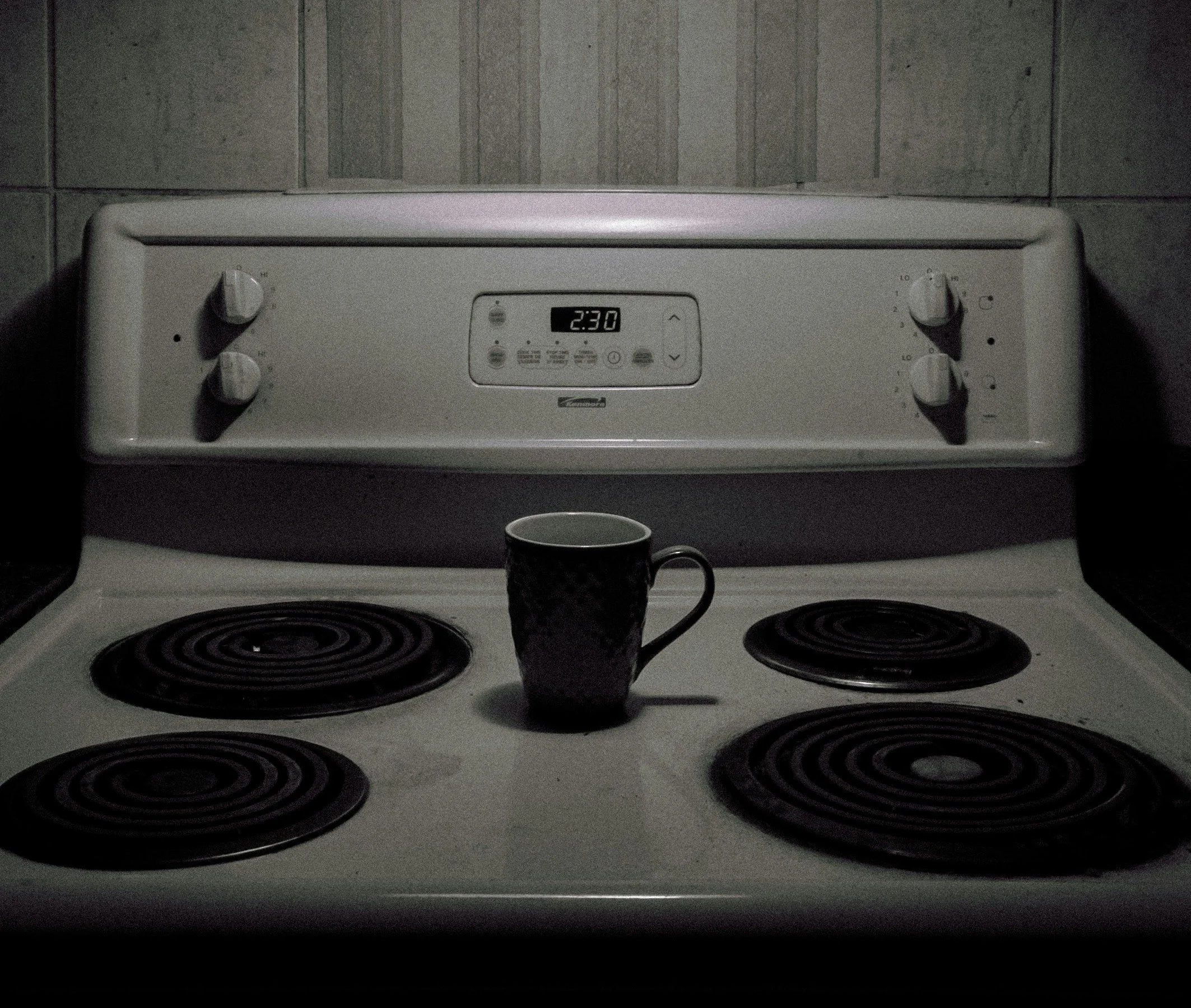
The things no one sees, but you’re thinking about all the time.
Healing doesn’t always feel like progress. Sometimes it just feels uncertain.
The constant background thinking that never really switches off.
The Practical Side of Food Sensitivities
Food sensitivities don't have to get in the way of travel. They do require a bit more thought than most people need, about the journey, the destination, whether you're self-catering or relying on hotels, and whether you've been somewhere before or you're going somewhere new. This is what's worth knowing before you leave.
Food sensitivities don't just feel hard when symptoms flare. It's the ongoing awareness, the planning, the fact that you can't fully switch off. What actually helps.
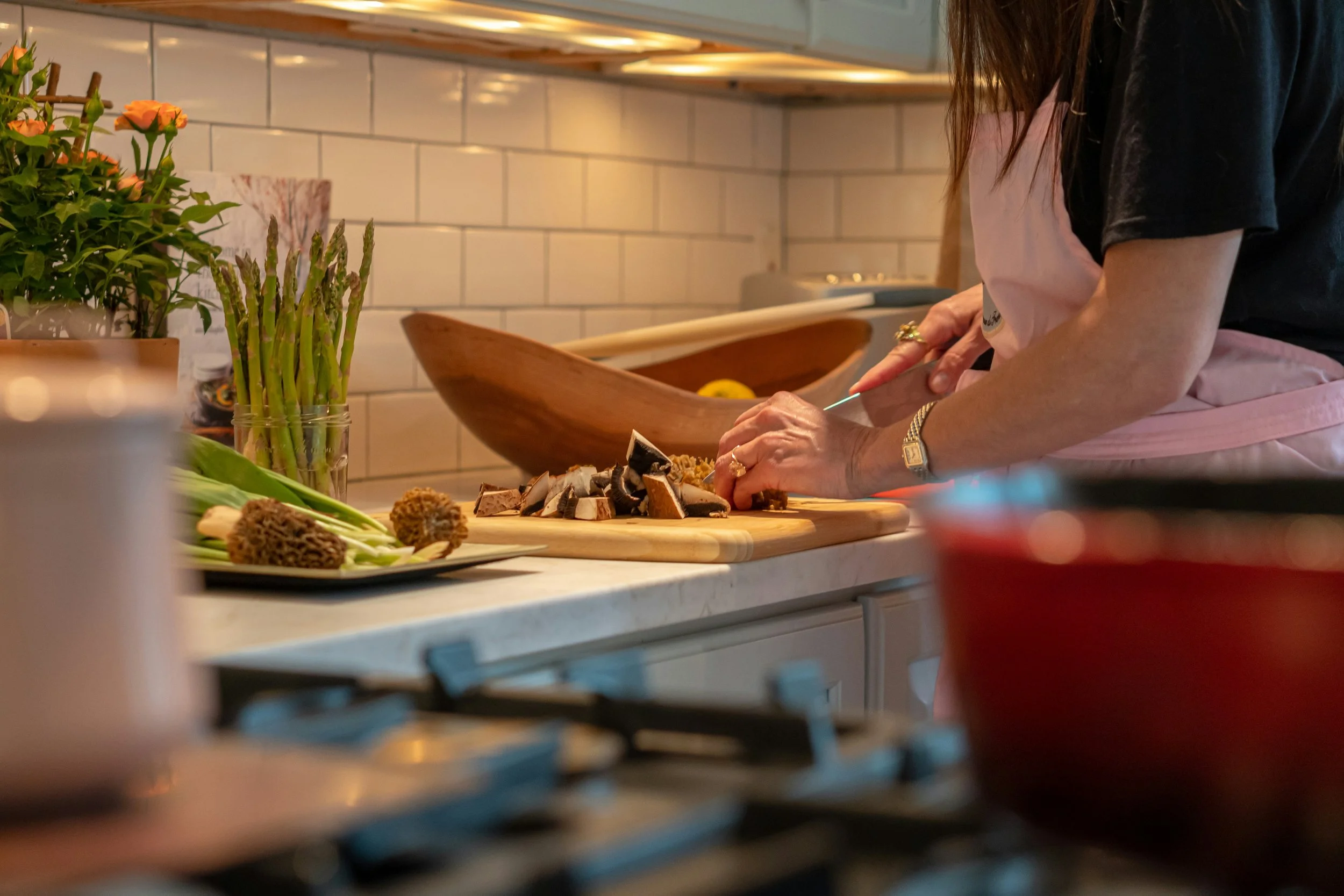
Rebuilding a kitchen around what you can eat takes time, and not everything works the way you expect.
There's no formula for this. But having a way to think it through makes the decision feel less like a failure.
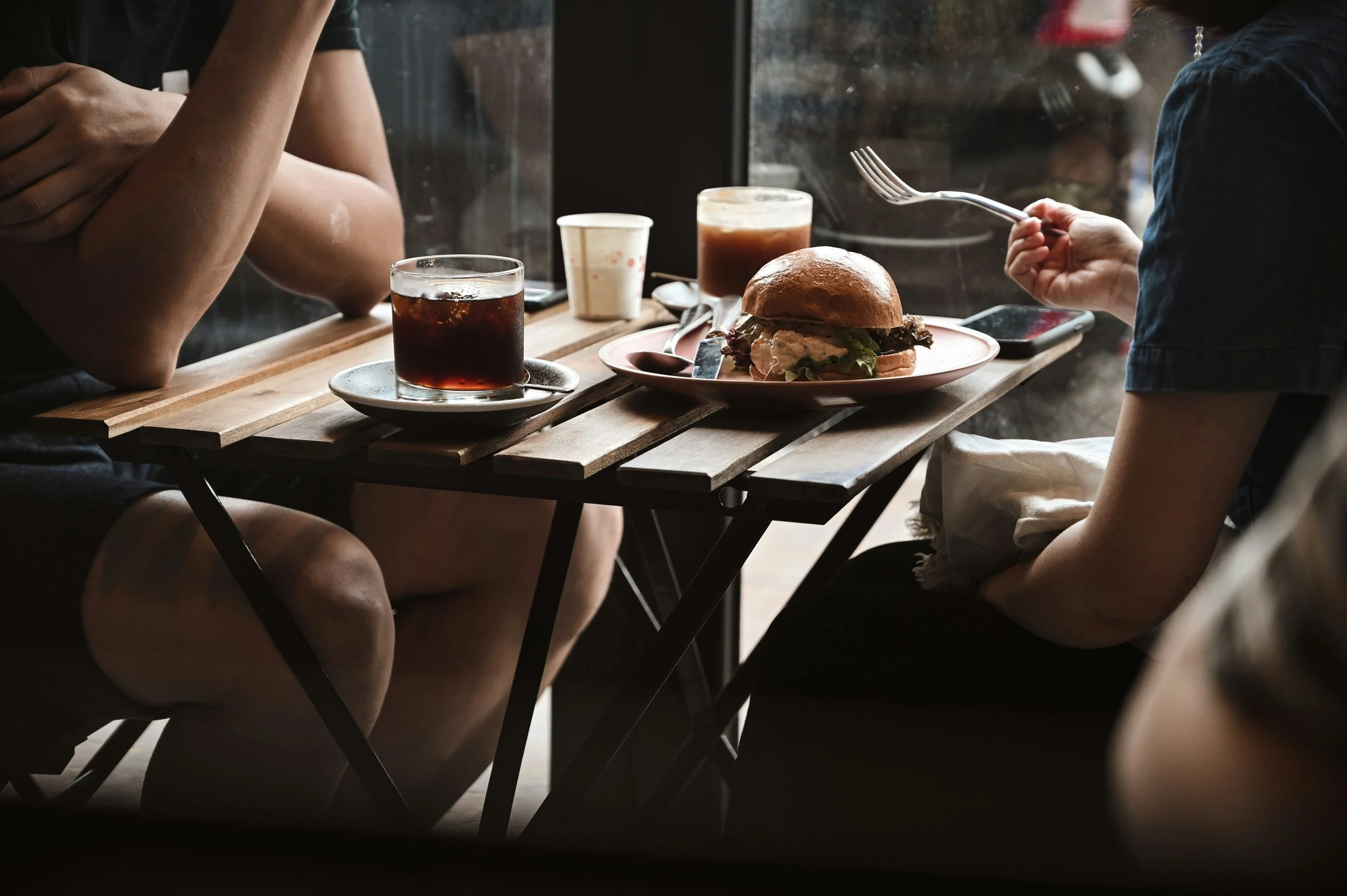
When everyone else is choosing what they want, you’re trying to find something you can eat.
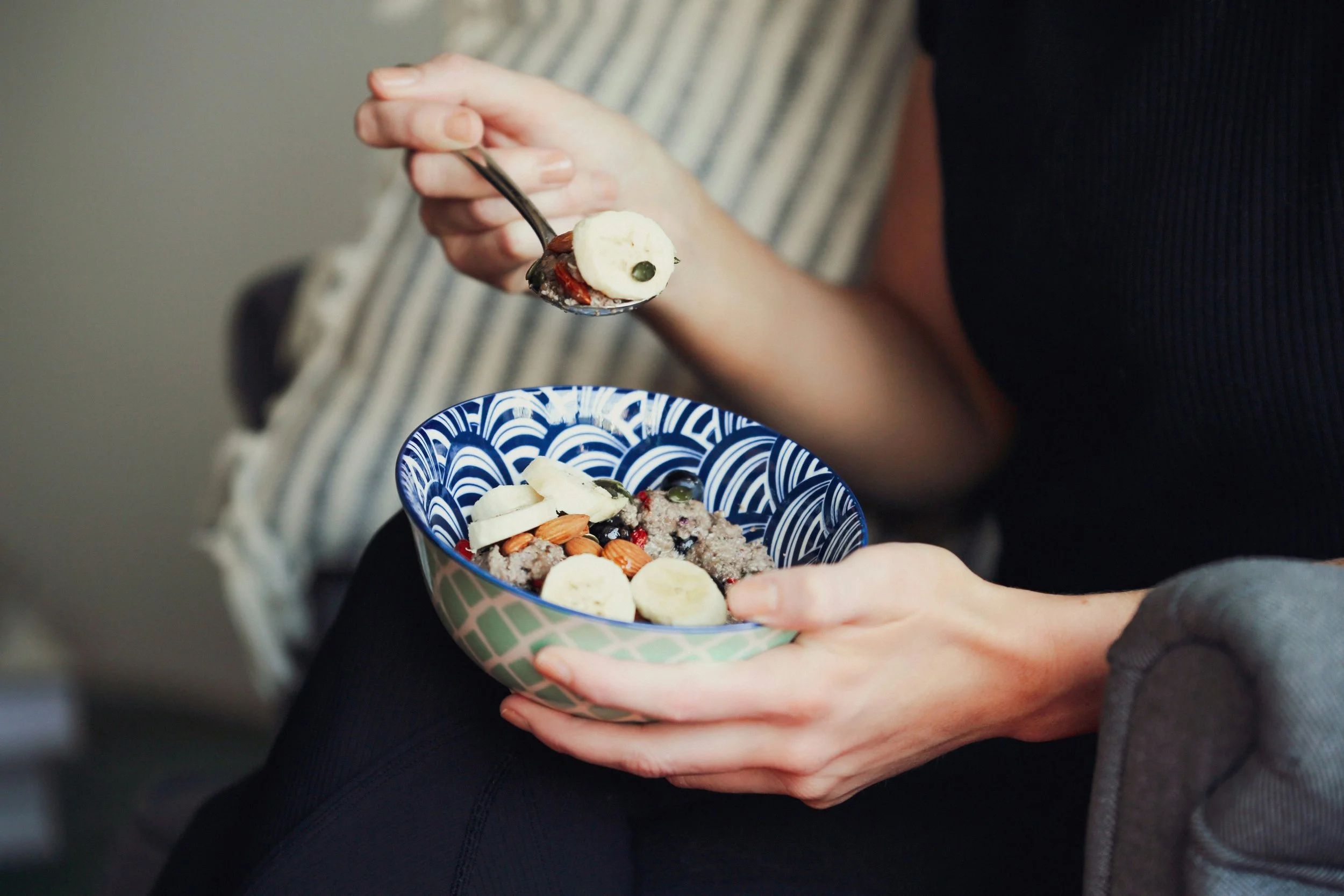
Having a few foods you can trust makes everything feel more manageable.
Trying to be part of it while still managing what your body can handle.
The Physical Side of Food Sensitivities
Reintroduction is the part of the process most people find harder than elimination. The results are rarely a clean yes or no, the cumulative effect catches you out, and your baseline on any given day affects the outcome as much as the food itself. A practical guide to what reintroduction actually involves and what to keep in mind along the way.
Recovery from leaky gut and food sensitivities rarely looks the way you expect. Symptoms can get worse before they get better, progress is almost invisible day to day, and the timeline is measured in months rather than weeks. An honest account of what the process actually involves and what to watch for along the way.
If you feel stuck with food sensitivities despite cutting more and more foods, the problem may not be your body but your approach. Here are the most common mistakes, from over-restriction to relying on inaccurate food intolerance tests, and what to do instead.
He’d say “the test was negative” every time I suggested cutting gluten. But nothing changed until he finally tried it.
Eating used to happen without much thought. Then slowly, it starts to take more attention than you expect.
At some point, a normal meal turns into trying to work out what caused what.
Losing a safe food is its own kind of setback. This looks at how to think through it without spiralling.
Tracking food sensitivities matters, but if it’s too complicated, it’s hard to stick with.
Many people with food sensitivities have learned to manage without talking about their condition at social events. Not asking, not flagging, not making it awkward. It feels like the considerate thing to do but there's a different side to it.