
Why I stopped explaining my food sensitivities (and why that was a mistake)
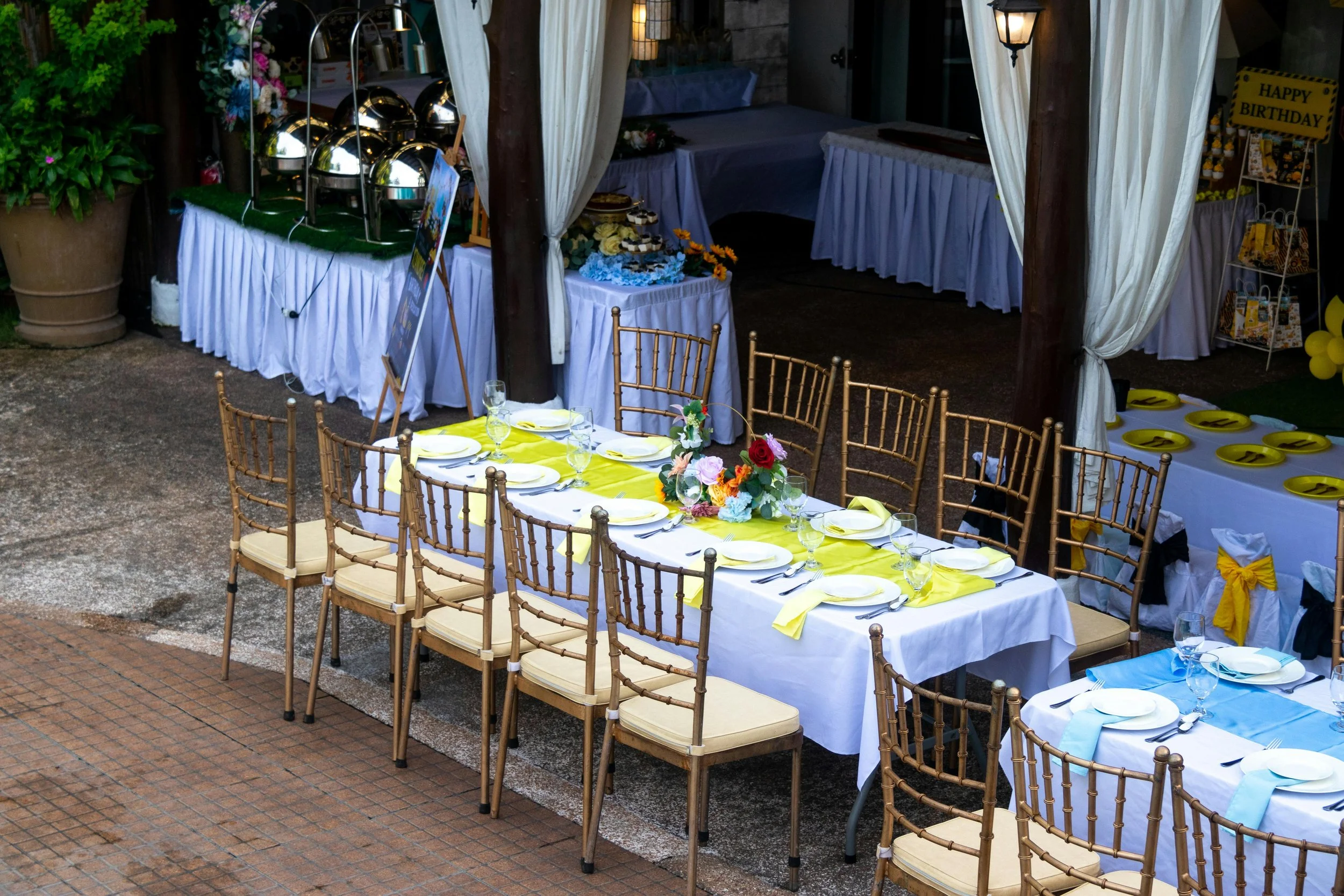
My dad's 80th birthday. My mum wants to get the food right. She always does. She'll ask in advance, she'll read labels, she'll worry about it. And I'll say "don't worry, I'll sort something when I'm there" not because I want to, but because an 80th is already a lot to organise and I don't want to add to her stress. So I arrive, and I eat around things, and at some point she asks if I'm okay and I say I'm fine. She's frustrated because she wanted to do better. I'm frustrated because there's nothing I can actually eat. We're both trying. It's still a mess.
That's what performing flexibility looks like from the inside.
It's not one dramatic moment. It's the Christmas bread you didn't ask for because you didn't want to make the trip harder. It's the restaurant where you only flag the most essential things and then quietly leave half the plate. It's the place that doesn't give the right vibe so you don't even bother asking about alternatives because you're tired, it's not worth it, you'll just manage. It's office birthdays, friends' baking, the thing someone made especially. Declining feels like rejecting the gesture.
And it's the medical form at the doctor's that needs completing. "Any pre-existing conditions?" I leave that blank, or close to it. I don't write food sensitivities. I know what happens if I do. I either get a strange look, or there's a follow-up question, and suddenly I'm trying to explain leaky gut and microbiome damage to someone who is visibly deciding how seriously to take me. Sometimes I mention it and I get silence. No acknowledgment, no follow-up, just a pause that says everything. And in that second I'm aware of the irony: leaky gut and microbiome health are genuine medical topics with a significant body of research behind them, not something I've picked up from a wellness account. There's a moment where I consider saying that. Where I consider that I might know more about this particular subject than the person across the desk. But they've been through medical school and years of training, and they're far better qualified than I am across the board. So I don't say it, because it could make the whole session awkward in a way neither of us recovers from easily. And in most cases I'm not there to discuss my food sensitivities anyway. So I say nothing, and the appointment happens without that context, and I go home knowing I didn't give the full picture.

What all of this has in common is that I made the calculation on behalf of someone else. I decided, in advance, that my needs were going to be too much, too complicated, too niche, too likely to land wrong. And I managed around them before anyone even had a chance to respond. Sometimes that's genuinely the right call. But a lot of the time it's just habit. A very ingrained habit of making myself smaller in any situation where food is involved, because it feels like the considerate or easy thing to do.
And the habit compounds. You eat with someone you don't know well and you manage somehow, you say nothing, you get through it. Then you come across each other again and this time the food on offer is genuinely not okay and you do need to say something. And there's an awkward moment where you both register that last time you weren't really okay either. Or there's the restaurant your friends keep suggesting, the one you're not comfortable with, and it's the third time they've mentioned it and this time it's someone's birthday and you can't say no again. So you go. Because you don't want to be the person who draws attention to themselves every time food is involved. Because you're not entirely sure whether people take you seriously or whether they think you've been spending too much time on Instagram.
There's also the fear of not being taken seriously. Food sensitivities occupy an odd place in public perception. Some people get it immediately, often because they or someone they know has been through something similar. Others are less sure, and you can feel that. A look, a question with a slight edge to it, a pause that makes you wonder if they think you've decided you have a condition. If that happens in a setting that's meant to be social, celebratory, or professionally cordial, it's hard to know what to do with it. Getting defensive feels wrong. Explaining yourself feels worse. So a lot of the time you don't say anything in the first place, because the risk of feeling dismissed in a moment like that just isn't worth it.
I don't think that's always the right instinct though.
When I don't tell my mum what bread to buy, she doesn't get to help. When I don't ask the restaurant, they don't know there's a gap. When I leave the doctor's form blank, I'm not being low-maintenance, I'm leaving my medical picture incomplete. The tidiness is an illusion. I'm not removing the problem, I'm absorbing it, so it stays invisible.
There's being considerate: thinking ahead, not expecting the world to restructure itself around you, giving people what they need to actually help. I'm in favour of that. But somewhere it got mixed up with the assumption that mentioning your needs at all is already asking too much.
Maybe I send my mum a message that says "here are two brands of gluten-free bread, either would be great." Maybe I ask the question at the restaurant even when I'm tired. Maybe I write something on the form. It probably won't always go smoothly. People will still get it wrong, or not know what to do with the information, or give you the look. But in my experience, quite often they'll surprise you. A colleague you've worked with for years will mention they can't eat a certain food either. A friend will know exactly what to suggest because they've read about it or know someone going through something similar. Someone will be glad you said something because it gave them permission to share their own health challenge. I've lost count of the times I've mentioned I can't eat certain foods and discovered that the person I'm talking to has their own version of the same story. It is much more common than you might think, and it can give you a genuine connection. You don't get those moments if you've already decided the conversation isn't worth having.
That's not nothing.
I've created a system that supports both the practical side and the emotional side of figuring this out. You can find out more here: https://www.nurtureandthrive.live/food-sensitivities-support-system Or start with my free Food Sensitivities Starter Guide: https://www.nurtureandthrive.live/free-resources
If this resonates, I've written about the mental load of managing food sensitivities in The mental load no one talks about and about navigating social eating in When eating out stops feeling easy.
About the author
Nurture & Thrive is written from lived experience of managing multiple food sensitivities over more than 15 years. The content reflects personal experience of navigating symptoms, diagnosis, and recovery, and is focused on the practical and emotional realities of living with it day to day