
How I decide what's worth the risk
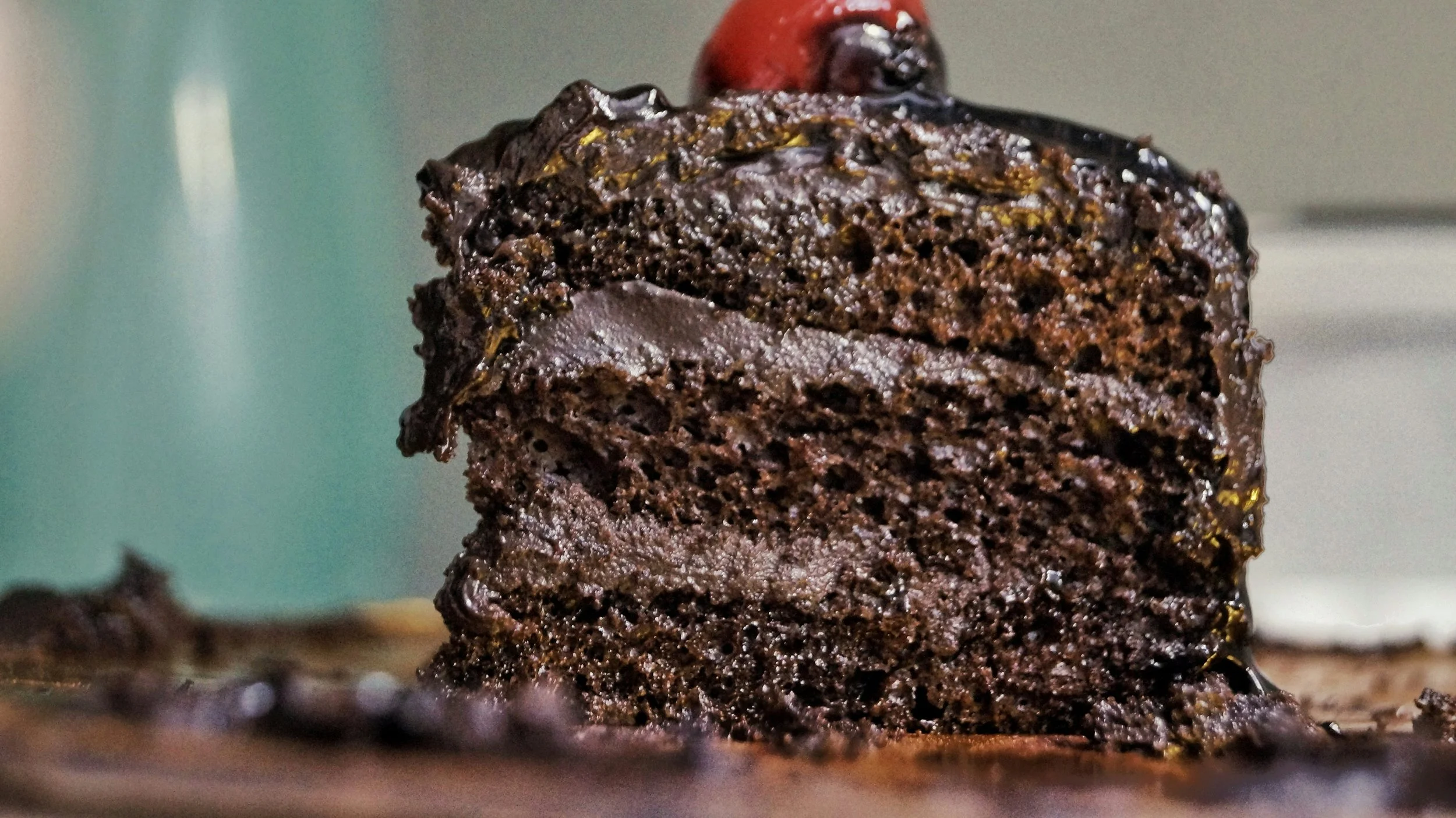
Food is so much more than nutrition. Meals bring families together, a piece of birthday cake is a celebration, and the bread your grandmother used to make is a comforting memory. The emotional attachments to food don't disappear when your body starts reacting to the ingredients.
That's why food sensitivities can be so hard to deal with. It's not just the label scanning, restaurant negotiations, substitute finding, or the additional cost of buying more unusual ingredients. Sometimes food matters so much that sticking rigidly to your diet feels impossible. On rare occasions, the temptation to eat it anyway is real. But how do you decide whether to allow yourself to slip up?
Even after many years of dealing with multiple food sensitivities, this is one of the tougher scenarios for me. But I've developed something like a set of honest questions I ask myself before I make a decision I might pay for later.
When cravings get hold of you
I grew up eating a lot of sugar. Nutella on bread was practically a food group. I'd make regular pocket money runs for sweets and chocolate. The amount of sugar I ate daily felt completely normal at the time, but I now understand it did a lot of damage to my gut over the years. I didn't put on weight, and lots of people told me how lucky I was, which made me think there were no consequences. How wrong I was.
When I had to change how I ate, the cravings didn't disappear just because I understood the need to stop eating sugar. Your body has its own memory, and it takes time to override.
But if you're sick and desperate enough to get better, you'll push yourself to do things you wouldn't usually have the strength for. That's how I found out that cravings can be broken with enough willpower. The emotional and physical withdrawal symptoms are uncomfortable. After a few days, when you're through the worst, the pull diminishes significantly. Today, I actually find very sweet foods quite off-putting.
I'm mentioning cravings here because understanding the difference between a craving and a genuine, considered choice is one of the honest questions you should ask yourself. If you're about to eat something that will likely cause a reaction, you want to make sure it's actually a decision, not just your nervous system running an old script.
The trade-off
The main question I ask myself is whether five minutes of pleasure is worth one to two days of feeling poorly. For most things, most of the time, my answer is no. That's why finding good substitutes matters so much. Not perfect replicas, as they rarely exist, but the next closest safe thing. If I can't have what I want, a treat that genuinely fills the gap without triggering a response is worth finding, even if it takes effort. It can significantly reduce the number of moments where you're standing in front of something you know will hurt you with no alternative in sight.
But I'm not going to pretend I always deny myself when I know something contains ingredients I shouldn't eat. I don't.
Social pressure
External social pressure is visible enough: someone has made something for you, there are dishes on the table you don't think you can eat, and it feels like people are watching. But there's another, more persistent pressure. It's the part of you that simply wants to eat what everyone else is eating. Not because of anyone else's words or reactions, but because food is social, and being the person who can't fully participate feels lonely and isolating.
On big occasions, that feeling can become quite overwhelming. Christmas, birthdays, cultural celebrations, traditional family dishes all mean so much more than an average lunch. When the food is tied to memory, identity, or belonging, it can be hard to resist.
I think it's worth acknowledging this honestly rather than simplifying it into "just make healthy choices, be strong." Sometimes people give in on these occasions, and that's just being human, dealing with something that might be easy on most days - but not always.
If you do decide to eat it
Two things matter after that decision. The first is that you actually enjoy it. If you're going to eat something that might cause a reaction, at least be fully present for it and savour it properly. Don't eat it guiltily while half-distracted. If the cost is real, the pleasure should be too.
The second is that you think ahead about the next few days. Not obsessively, but practically. Will you have enough physical and mental space to manage if you flare up? Do you have anything demanding coming up? Are you already feeling a bit under the weather, and could this worsen your symptoms? You might want to reconsider if you know this particular slip could make the coming days much harder.
The decision
When I'm weighing up a risky food, these are the things I'm actually considering:
How much does this matter to me, beyond just wanting it?
Is this a craving talking, or a genuine value tied to a social or cultural experience?
What are the likely consequences, and do I have the space to absorb them right now?
Is there a reasonable substitute I haven't tried yet?
One variable sits above all the others: the severity of your reaction. If eating something uncertain has previously put you in serious distress - not just discomfort, but a reaction that takes you out completely - it's not worth the risk. For some people, for some foods, the answer is almost always going to be no, and that's just being sensible. The questions above are most useful in the middle ground, where the consequences might be real but manageable. For me, that might mean a few itchy days, a manageable headache, or aching muscles.
Food sensitivities are part of your body, your history, and your social life, and that's never going to be entirely comfortable. But between rigid avoidance and impulsive regret, there's sometimes a middle ground worth finding. You're not always going to get this right. But if you decide to go for it, having thought it through at least means you made the right decision in that moment.
Living with food sensitivities is not just about what you eat. It is the constant background thinking, second-guessing, and trying to stay one step ahead. The Food Sensitivities Support System is designed to take some of that weight out of your head, helping you track reactions, see patterns, and feel more steady in your day to day decisions.
If you want something that brings both clarity and a bit more ease to this, you can explore it here: https://www.nurtureandthrive.live/food-sensitivities-support-system
About the Author
Nurture & Thrive is written from lived experience of managing multiple food sensitivities over more than 15 years. The content reflects personal experience of navigating symptoms, diagnosis, and recovery, and is focused on the practical and emotional realities of living with it day to day.