
How my kitchen changed
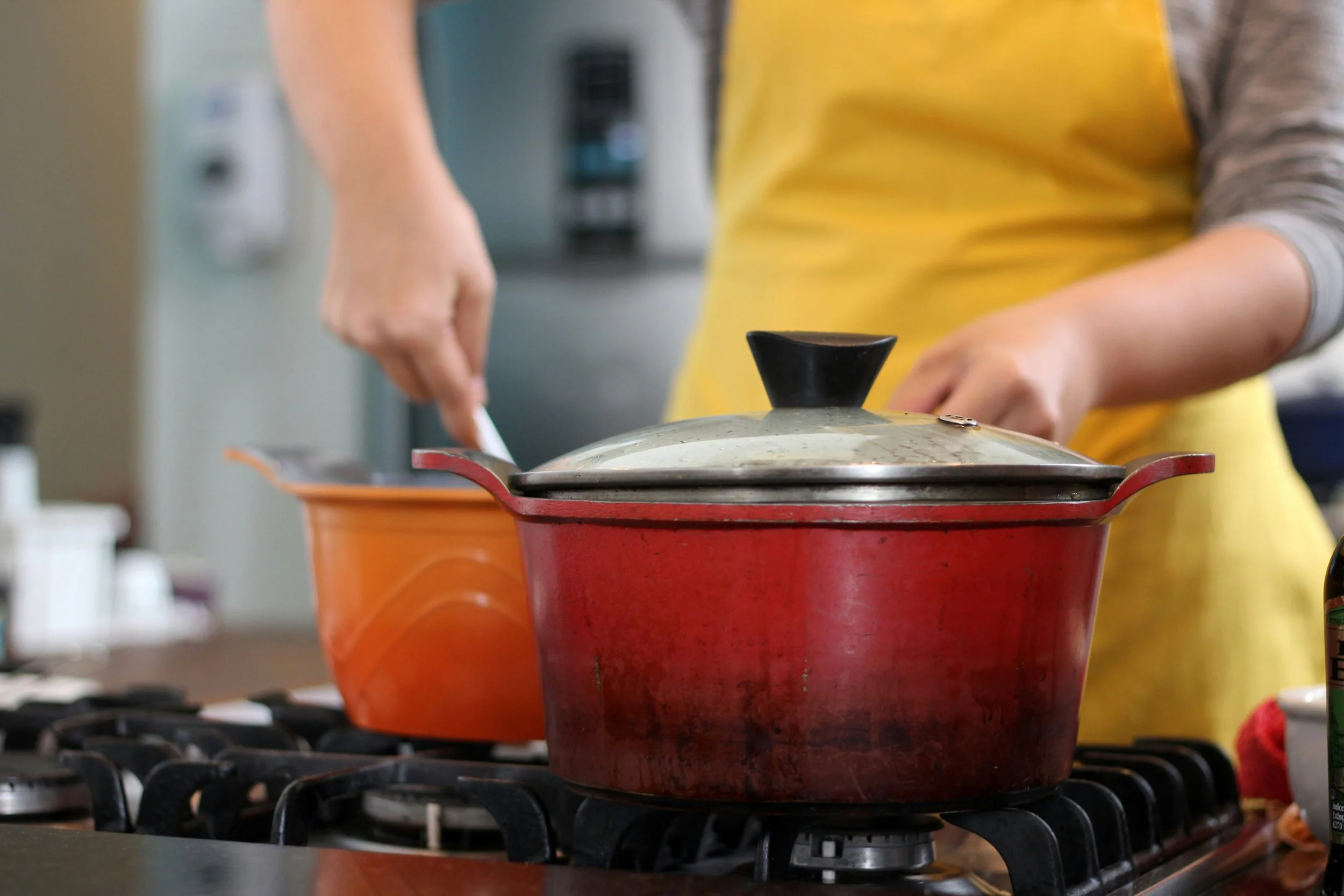
Opening your kitchen cupboards after a food sensitivity diagnosis and realising that a good portion of what is in there no longer works for you can feel challenging. Foods you have been cooking with for years, staples you bought without thinking, are suddenly off limits. Ingredients that formed the backbone of everyday meals need replacing. Some of them are things you grew up watching your family reach for without a second thought. They were just part of how food was prepared, how a kitchen smelled, how a meal tasted.
The practical task of restocking around a limited ingredient list is genuinely hard at first. You are not just swapping one or two things out. You are rebuilding a system that used to run on autopilot.
One of the first things you notice is that substitutions rarely behave the way you expect. Something that looked like a straightforward behaves differently in flavour, in texture, in the way it holds together in a dish. A bake that always worked ends up in the bin. This is quite normal, and worth saying clearly. Substitutions are not like for like. Once you stop expecting them to be identical to what you replaced, they become easier to work with. Some of them you might even end up preferring.
I am a good example of this. I still make porridge most mornings, but I use oat or almond milk instead of dairy even though I can tolerate cow’s milk now. To me it tastes better, it's less likely to burn, and going back to dairy milk now feels wrong. That's not a small thing, it means the substitution stopped being a compromise and became just how I make it.
Flour was a different story. I found the alternatives genuinely difficult to use at first. They don't behave like wheat flour. They absorb liquid differently, they have different weights, and what works in one recipe doesn't necessarily work in another. I won't pretend I sailed through that part - I didn’t. Some things I gave up on entirely, at least for a while. I found that certain gluten free flours behaved closer to normal flour for my standard dishes and my favourite brand become Doves Farm.
It is lucky that there are so many more products and ingredients now than there were 20 years ago. Supermarket free-from ranges have improved enormously and there are some genuinely good products available. Brands like Deliciously Ella and Schär became my staple substitutes. The gluten free pretzels are great for eating on the go. These are my preferences and everyone is different, but having a few reliable ready-made options alongside your own cooking takes a lot of pressure off. Gluten free pasta is another one I still use regularly. I can eat gluten now but in moderation, and it's just there in my kitchen. It works and it doesn't feel like a sacrifice. Not everything needs to be a DIY substitution project.
Some things have become long-term favourites I would never have found otherwise. Plain coconut yoghurt, for example. The freshness of it in summer with some fruit is one of those simple combinations that makes a great quick and healthy snack. And Marks and Spencer Date and Walnut Toasts, which I discovered somewhere along the way and now buy regularly. Delicious with goat's cheese, margarine or butter. They were things I tried out to get some variety and stuck with.
The ingredient I found most unexpectedly interesting through all of this was millet. A grain that has been part of traditional diets for thousands of years, sitting in health food shops while most of us walked straight past it. There is something I find genuinely fascinating about that, the idea that an ingredient with such deep roots in so many food cultures had never made it into my kitchen until necessity pushed me towards it. It is not exotic, it is ancient and it is very good.
The same is true of buckwheat, quinoa, and a range of other grains that have been staples in other parts of the world for generations. Many of these are available in shops that stock ingredients from other culinary traditions, often at much better prices than health food retailers, and worth exploring if you haven't already.
But the biggest shift in how I cook and eat has been less about substitutions and more about the kinds of meals I make. I eat more soups and salads than I used to. That sounds like a small thing but it has genuinely changed my relationship with food. Salads with nuts and seeds, combinations I would probably never have built before, have become things I actively look forward to. The diet didn't just edit what I could eat. It pushed me in directions I wouldn't have gone voluntarily, and some of those directions turned out to be good ones.
A kitchen stocked around what you can eat, rather than what you used to eat, is not a lesser kitchen. It takes time to feel like yours again, and there will be things you try that don't work. But it will settle and occasionally, it introduces you to something you are genuinely glad to have found.
About the Author
Nurture & Thrive is written from lived experience of managing multiple food sensitivities over more than 15 years. The content reflects personal experience of navigating symptoms, diagnosis, and recovery, and is focused on the practical and emotional realities of living with it day to day.