
My body became sensitised to more than food
When the allergy specialist diagnosed me with multiple food sensitivities, he also diagnosed me with chemical sensitivities. At the time I was dealing with so many symptoms at once that it was hard to separate what was causing what. I suffered from itchiness and urticaria which I would attribute to that, at least in parts.
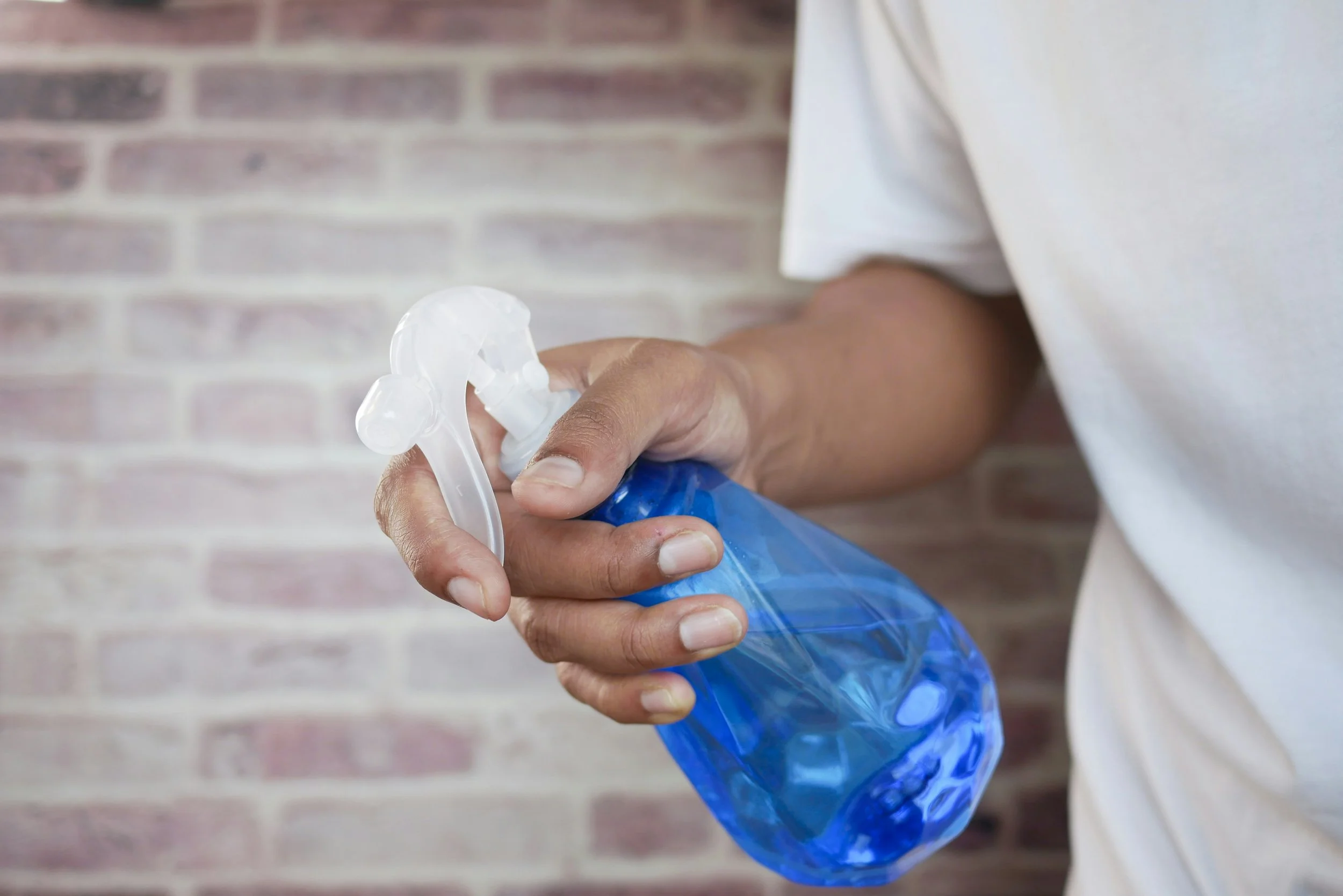
My mission was to reduce exposure to chemicals as much as possible. I switched from plastic food and drink containers to glass. Shampoo, conditioner, moisturiser were all replaced with eco friendly products. I stopped using nail polish and found a compromise for hair dye - I used highlights which were wrapped in foil rather than dye touching my scalp directly. Equally, cleaning products with bleach or excessive chemicals were banned from the house. I found a wonderful cleaner who was using eco friendly products only, such as old fashioned bicarbonate of soda. I'd already been washing new clothes before wearing them for a long time. From pesticides used to grow cotton, to chemicals for dyes and other treatments, new clothes can carry a substantial amount of toxins that get absorbed via the skin. Fabric conditioner was banned as was any washing powder that had a strong artificial smell. It was an extensive overhaul across the home.
It didn't take long for me to become quite paranoid. Someone with perfume in my vicinity would trigger anxiety. Fortunately, my family didn't object although I'm sure that at times I did come across as quite irritating in my quest to be as free of chemicals as possible. For several years, almost everything that wasn't natural felt suspect; the same kind of constant background scanning I've described with food.
I believe there is genuine reason for concern. Research shows that the average person uses around ten personal care products before leaving the house each morning, each containing its own mix of chemicals. What researchers call the "cocktail effect" means the safety thresholds set for individual substances don't account for what happens when the same chemical appears across multiple products and accumulates across a day. Since the mid-twentieth century, synthetic chemicals have built up in the environment and in human tissue, and studies measure what's known as body burden: the total load of environmental chemicals present in a person at any given time. The body isn't responding to one thing, it's responding to everything that it's exposed to.
It helped to know that my cautious approach wasn't necessarily irrational. The body does have a threshold, and when food sensitivities are causing inflammation and your system is already dealing with a lot, then exposures can tip it. Reducing the chemical load across many different areas became cumulative.
I found companies who were following a more sustainable approach offered products that also contained fewer chemicals. In a way, the timing of cleansing coincided with more products coming onto the market. It was a lucky coincidence that offered a lot more options for cleaning and personal care products. BCorp became a great resource to check sustainability - and therefore toxicity - credentials for clothing companies. Even today, walking into clothing chains that have a strong chemical smell puts me off. Six years ago we moved into a new house which we built ourselves. At that point, my health had already substantially improved. Still, I was acutely aware of the chemical load in the house from building materials, paint, new carpets.
Just like food sensitivities, the emotional side of dealing with chemical sensitivities can feel heavy. It's almost impossible to completely avoid chemicals in today's world - even when you're very conscious and careful. New products of any kind, strong smells, the inability to escape in certain situations - e.g. strong kerosene smell in airplanes - can feel almost threatening. In those moments, I reminded myself of all the precautions I was already taking, the multiple sources I'd eliminated already. I had to trust my body that it was well enough to eliminate any sudden increased exposure. And all in all, it worked. I am better today, no longer acutely reacting as much as I used to. I still carry on many of the practices - using household and personal care products that have far fewer toxins, washing new clothes, and focusing on some organic foods which are known to have high levels of pesticides. I'm aware that my system is stronger but remains fragile and the tolerance I have now isn't unconditional. It exists because I remain cautious.
About the Author
Nurture & Thrive is written from lived experience of managing multiple food sensitivities over more than 15 years. The content reflects personal experience of navigating symptoms, diagnosis, and recovery, and is focused on the practical and emotional realities of living with it day to day.