
Tuning in to your body when you have food sensitivities
After I became ill and before I had my diagnosis, paying attention to my body mostly meant fear. The longer I was undiagnosed, the more symptoms accumulated and they seemed random and unrelated. Vision disturbances, swollen lymph glands, bouts of high temperature, wandering pains, insomnia, to name a few. It was unsettling and frightening, especially as doctors couldn't give me a diagnosis or treatment. With constant pain and no explanation, the uncertainty was exhausting. Days when I felt well didn't exist, it was a question of how bad I would feel and how I would manage to make it through the day with a job and two small children to look after. Whilst some symptoms were constant, such as pains and insomnia, others would come and go. I’d fallen into a pattern where I’d be watching out for symptoms intently every day and I was acutely aware of what was happening in my body at any point in time. I was constantly expecting bad things to turn worse, and I struggled to be positive on most days. I got through it with stoic determination that I would still live my life the best way I could. Of all the symptoms I had, my insomnia was by far the worst. Going to bed with dread because I didn't know how many hours it would take me to fall asleep. When I did, it wasn't good quality sleep either, leaving me feeling drained for the best part of 5.5 years until a doctor finally figured out what was wrong with me.
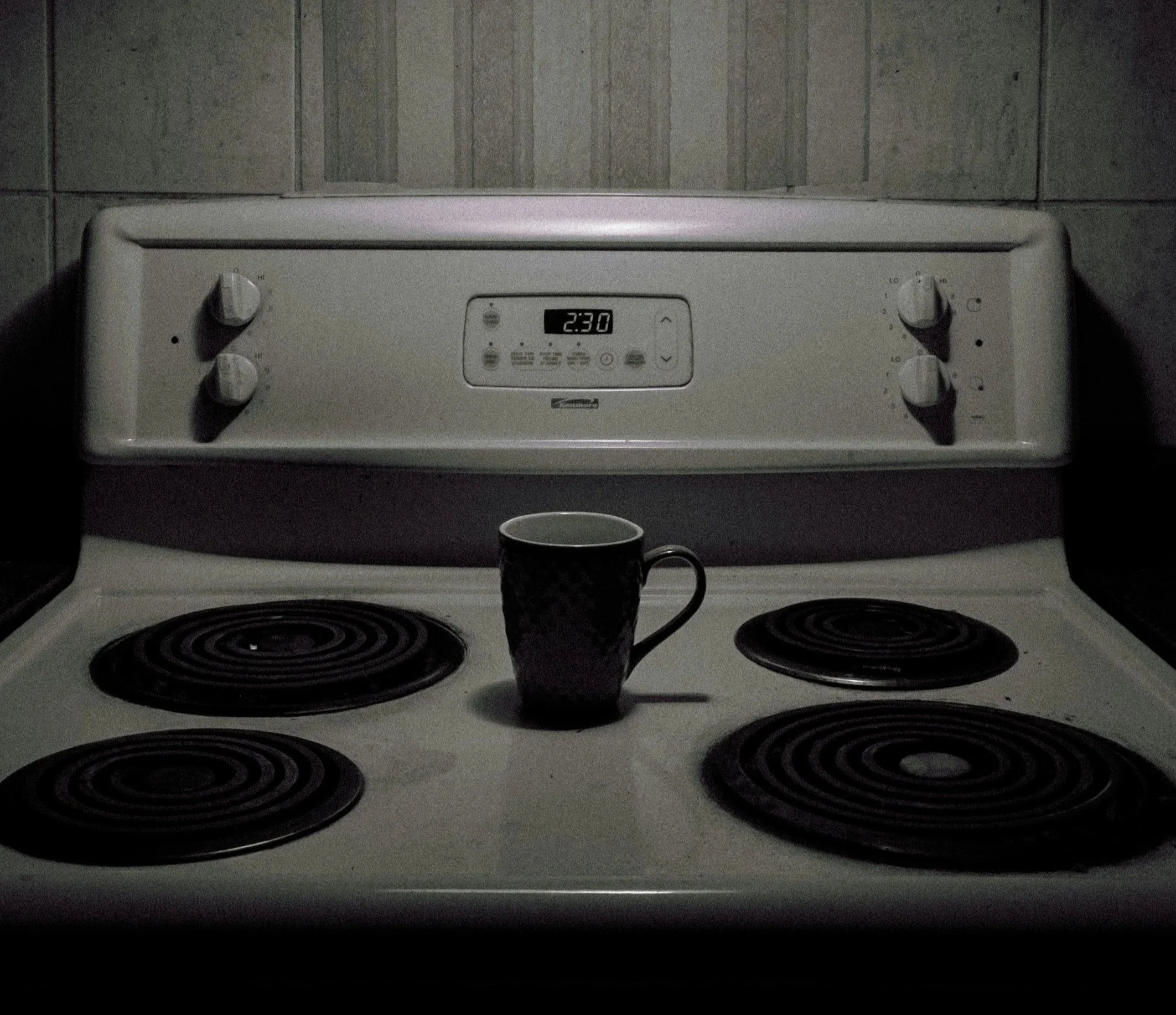
If any of this sounds familiar, you'll know that the exhaustion isn't only physical. It's the constant observing of your own body and wondering what’s next.
Once I had a diagnosis, the checking-in changed shape. There was an explanation which helped enormously and the low dose immunotherapy treatment I was receiving made symptoms much better very quickly. But hypervigilance doesn't disappear just because you know what's wrong and you’re feeling some relief. I was still listening to every symptom and bad days still threw me. On those days, the most useful thing was to be straightforward with myself: this is a bad day, it's probably temporary. I also kept a symptoms diary, so listening in was actually part of the treatment, because when symptoms became too frequent or too strong, it was a sign that the low dose immunotherapy needed to be recalibrated. What I quickly found out was that symptom tracking can feel overwhelming if you’re doing it over long stretches of time. Not only does it keep you focused on your symptoms, it can become a bit of a chore. Over time, I learned that it doesn’t have to be as detailed as many trackers suggest. In most cases it’s ok to relax a little and to track symptoms without the process taking over.
Once things had stabilised and my leaky gut started healing, the attention I paid to my symptoms significantly softened. I was less in crisis mode and more in observation mode. Crisis mode looks for evidence of things going wrong. Observation mode just notices what's there.
And then there's the phase I'm in now, which not many people acknowledge: when you’re stable, even healed in the broadest sense, and something flares. Old symptoms return suddenly. You thought you were past this, and now here you are again. It can take you straight back to more frightening times, and for a moment, all the ground you'd gained can feel like it's gone. But there's a difference between then and now, because you have experience and knowledge. You can usually work out fairly quickly what's going on, whether it's something you've eaten, a period of stress, or something external like a virus that's tipped the balance. Going back to a stricter approach tends to clear it. If it doesn't, that's the point to get advice rather than keep guessing alone.
What's helped me across all of these phases is having somewhere to put things down rather than keeping them in my head; most of all, I’ve learned to be kind to myself. Managing food sensitivities is a life-long process and it’s easy to beat yourself up. The Food Sensitivities Support System I’ve developed does exactly that - it’s a practical and kind system to help you manage. In addition to templates that help you manage better, it also includes a Body Check-In page with a few simple prompts: overall energy, what feels strong, what feels tender, digestion, mood, something my body might be asking for. There's also a Little Wins page, and a Gratitude for My Body page, which exist for exactly the reason the name suggests, because it's easy to pay attention only to what's going wrong, and those pages redirect that.
None of this makes the hard days easy but it gives you an opportunity to rebalance and to be kinder to yourself.
People deal with chronic health issues in different ways, we all develop different coping mechanisms. If what I've described here doesn't quite match your experience, I've put together a map of the different ways people tend to move through this, it helps you realise your patterns in a non-judgmental way. You can find it here: https://www.nurtureandthrive.live/free-resources
About the Author
Nurture & Thrive is written from lived experience of managing multiple food sensitivities over more than 15 years. The content reflects personal experience of navigating symptoms, diagnosis, and recovery, and is focused on the practical and emotional realities of living with it day to day.