
What happens to your enjoyment of food when you have food sensitivities
I love Austrian food. Going skiing, the food is one of the highlights, especially Kaiserschmarrn, that thick, caramelised, eggy pancake. After I found out I had multiple food sensitivities and was very restricted, I'd be sitting at the table with a dream background of alpine hut, blue sky, glistening snow, watching everyone in my family eat it. My go to were plain jacket potatoes and fries. For me, it was a mood killer and my family probably felt it too. They didn't adjust their eating habits and I wouldn't have wanted them to, even if they'd offered. It was enough that I had to miss out.
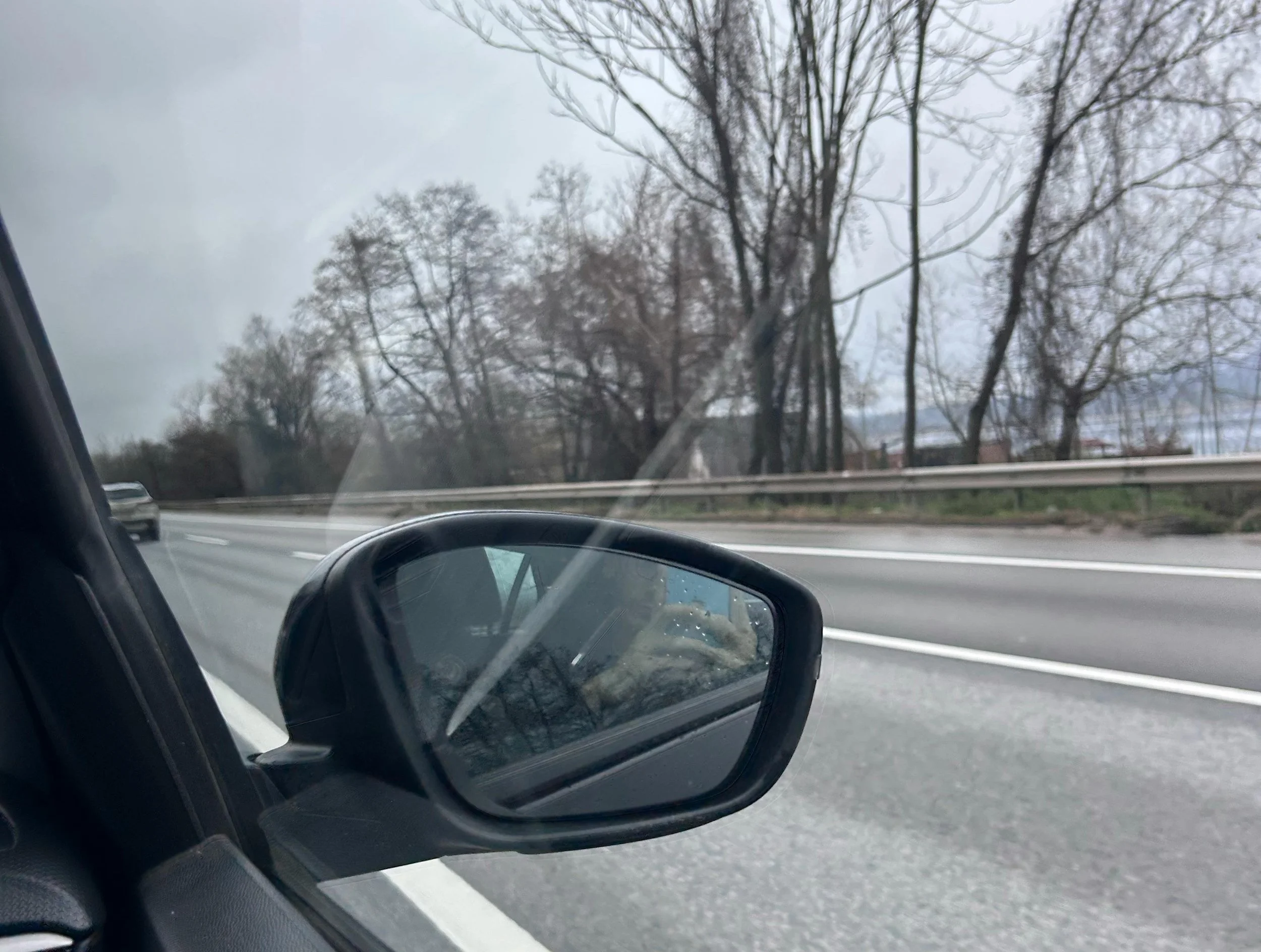
We take long car journeys to the Alps in addition to visiting family across several European countries for Christmas, and summer holidays. The car packed with children and luggage and everything that comes with that. When I was at my worst I'd be standing in the kitchen before we left, heating up soup to put in a thermos, cutting carrots and celery, packing nuts. I would have loved to simply make a few sandwiches for myself in addition to everyone else’s, or be able to stop over at a service station to eat without worrying about the consequences. My food intolerances added just another layer of complexity on top of everything else that’s involved with travelling with young children.
The social side of being restricted was harder than I expected. I was lucky that friends, family, colleagues - really most people - were genuinely thoughtful. They'd check before booking restaurants, adjust what they were cooking, ask what I needed. I was grateful for that and I also felt guilty about it every time. At some point I started saying I'd sort myself out. It was easier than watching people rearrange things around me and causing them more work than they’d already had. Inside I was often more upset than I let on about having to eat separate food, but causing trouble felt worse than going without.
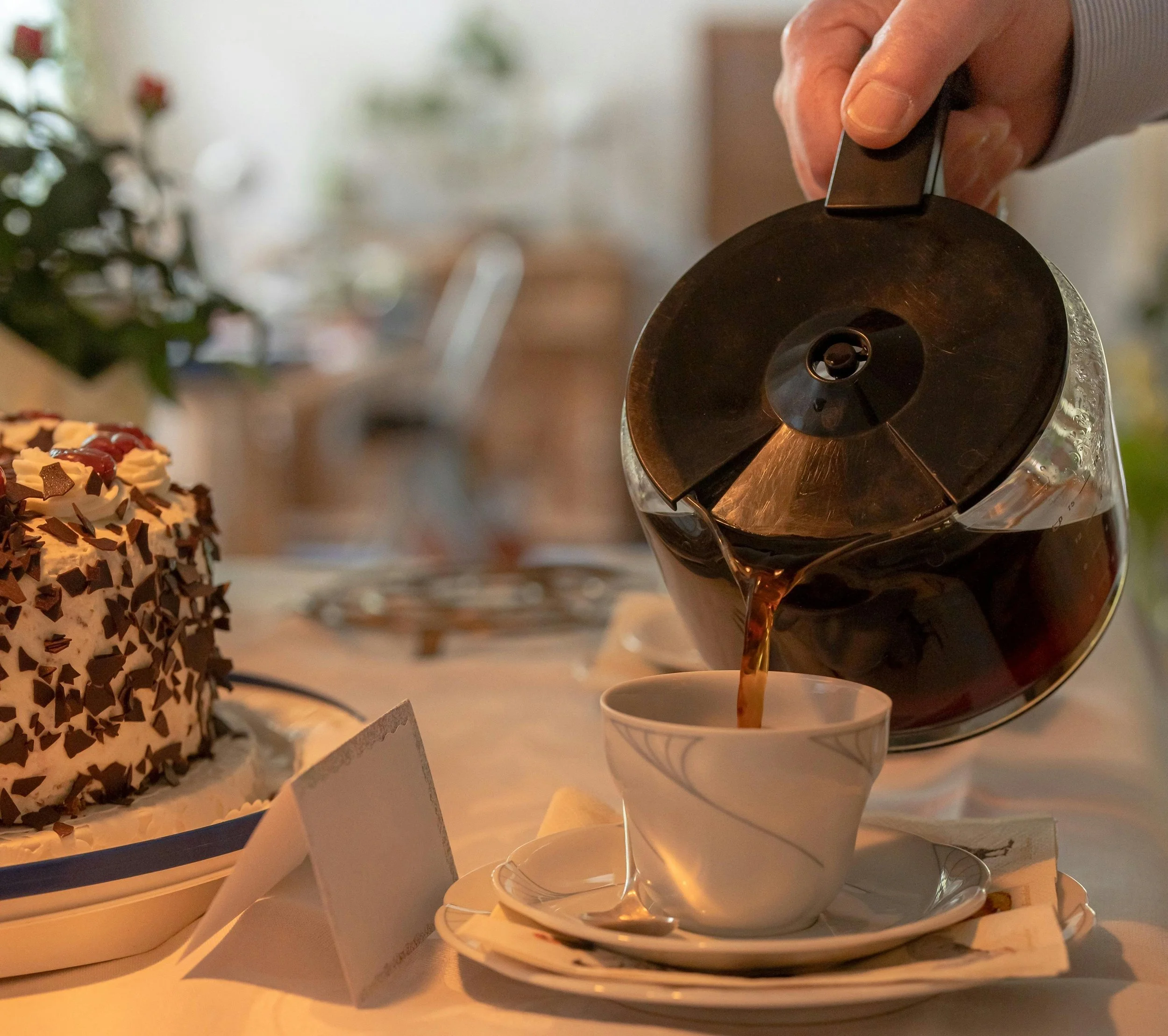
What I missed most wasn't the everyday food. It was the treats on occasions when treats matter. In my family, cake is not an afterthought, it's a ritual. Your birthday means the best porcelain comes out, coffee is made properly, and there is cake, a real one, usually my mother's carrot cake when I grew up. You sit down together and it’s a social occasion as much as it is about the cake. Not having that, or making do with something that approximates it, is its own kind of loss. It sounds small and on its own it probably is but when you make compromises every day, it can become a bigger deal.
Proper wheat pasta, birthday cake, pancakes on a Sunday morning that taste like the real thing. The things you eat when you're somewhere special or celebrating something, and everyone around you is just eating, without thinking about it at all.
The people around you adjust to your situation fast and you become the one who can’t eat everything. Even years later, long after my health has improved, someone will ask "can you eat that?" People remember and it's genuinely touching because it shows how supportive they are and how they can probably sense that it’s important to me. Where I am now, I do have much more flexibility because my leaky gut is genuinely considerably better, allowing me to eat most things, at least in moderation. At times it can feel as if I’ve been given a label that’s hard to remove, I’m still the person that can’t eat things.
An allergy specialist told me at one point that I would have this until the end of my life. In that moment I decided that I’ll challenge his diagnosis and I will get better. There was no medical basis for my optimism. Nobody was telling me it would get better, it was just an inner conviction that I wasn't going to accept that as the answer, and a determination not to give up. I want to be clear that my story is my own. Not everyone with food sensitivities will follow the same path, and I'm not suggesting they should. But for me, that determination mattered.
I promised myself and my family that once I was better we’d go to Italy. I appreciate that there isn’t just pizza and pasta to eat but for me I’d brought it down to that - go to Italy, eat gluten rich food without feeling ill. I didn’t want to go any sooner to avoid another Kaiserschmarrn moment, sitting at a table watching everyone else indulge while I worked out what I could safely have. I wanted to go when I could choose what I wanted to eat and I didn’t have to go without. Three years ago, we finally went. I largely stuck to my diet which, in the summer, involves a lot of salads, fruit, things I know make me feel healthy. But there were also moments when I ordered whatever I wanted to eat and that was the point - I could have pizza when I wanted to because my gut was well enough. And I genuinely loved that holiday because for me it marked the moment when I recognised myself that I’d come a long way.
I don’t want to go back to the way I was eating before I got sick. I genuinely enjoy salads and soups now in a way I didn’t previously. I know how my body feels when I feed it well. I can have the odd treat without having to anticipate consequences. I definitely think about what I eat more than I ever did - or probably many people do. Having come from where I was, feeling genuinely ill every day for 5.5 years, I appreciate the moments when I can enjoy food as a treat or a celebration.
If you're finding your way through this, I have a few free resources that might help. A Map for Living with Food Sensitivities is worth looking at if you've been managing this for a while and you recognise yourself in this article. It can be hard to see how much it's actually been shaping your life. It helps you step back and get a clearer picture. Understanding your own patterns is genuinely useful. The Food Sensitivities Starter Guide is a good place to begin when you suspect food is a problem but it's hard to know what to pay attention to. It gives you a clear starting point: what to notice, what to track, without turning your whole life upside down. And The Hidden Ingredients Cheat Sheet is a quick reference to keep handy; it helps you spot ingredients that are disguised under confusing names.
You can find the free resources here: https://www.nurtureandthrive.live/free-resources
Or find out more about the Support System here: https://www.nurtureandthrive.live/food-sensitivities-support-system