

How to stop beating yourself up over food and exercise slip-ups
Choosing the healthy option isn't always easy. Here's why noticing what you did do matters more than punishing yourself for what you didn't

The advice that sounds helpful but isn't
When you're unwell, advice finds you everywhere. Wellness tips, trendy diets, supplements. But generic solutions rarely account for the reality of food sensitivities. Here's why the advice that sounds most helpful often doesn't work, and what actually changes things.
Tuning in to your body when you have food sensitivities
Before diagnosis, checking in with my body meant fear. That changed once I understood what was wrong with me. Today, even though I eat most foods, tuning in to my body is different again.

What I learned during my journey living with food intolerances
Ten things I've learned from more than fifteen years of living with food intolerances.
My body became sensitised to more than food
When the allergy specialist diagnosed chemical sensitivities alongside my food sensitivities, I had to clean out my home and eliminate anything that had a chemical exposure attached.

Multiple food sensitivities symptoms - what it might look like
Bloating, brain fog, mouth ulcers, swollen glands and many more. The random symptoms didn't make sense until someone finally connected the dots and diagnosed multiple food sensitivities.
How I stopped meal planning becoming overwhelming
Most meal planning advice assumes food is a project you have energy for. Mine wasn't. I locked down breakfast and lunch completely, ate the same things week after week, and saved my energy for the meal that actually needed it - family dinners.

Why managing food sensitivities feels impossible some days and hopeful others
Some days managing food sensitivities feels relentless. Other days you find yourself thinking things can get better. What I learned is that both states are real, neither cancels the other out, and only one of them moves things forward.

What I mean when I say I’m healed
I use the word healed fairly freely when I talk about my experience with food sensitivities, and I think it deserves some explaining because it does not mean what it might sound like.

What happens to your enjoyment of food when you have food sensitivities
I love Austrian food. Going skiing, the food is one of the highlights, especially Kaiserschmarrn. After I found out I had multiple food sensitivities, I'd be sitting at the table with a dream background of alpine hut, blue sky, glistening snow, watching everyone in my family eat it. My go to were plain jacket potatoes and fries. For me, it was a mood killer.

New to managing food sensitivities? Read this.
The early stage of managing food sensitivities is hard, practically and emotionally. What to do first, what to expect from an elimination diet, and why it does get easier even when it doesn't feel like it.

Why I stopped explaining my food sensitivities (and why that was a mistake)
Many people with food sensitivities have learned to manage without talking about their condition at social events. Not asking, not flagging, not making it awkward. It feels like the considerate thing to do but there's a different side to it.

How to make travelling with food sensitivities easier
Food sensitivities don't have to get in the way of travel. They do require a bit more thought than most people need, about the journey, the destination, whether you're self-catering or relying on hotels, and whether you've been somewhere before or you're going somewhere new. This is what's worth knowing before you leave.
The reintroduction phase of an elimination diet: what to expect
Reintroduction is the part of the process most people find harder than elimination. The results are rarely a clean yes or no, the cumulative effect catches you out, and your baseline on any given day affects the outcome as much as the food itself. A practical guide to what reintroduction actually involves and what to keep in mind along the way.

The body can recover, but it's not a quick process
Recovery from leaky gut and food sensitivities rarely looks the way you expect. Symptoms can get worse before they get better, progress is almost invisible day to day, and the timeline is measured in months rather than weeks. An honest account of what the process actually involves and what to watch for along the way.
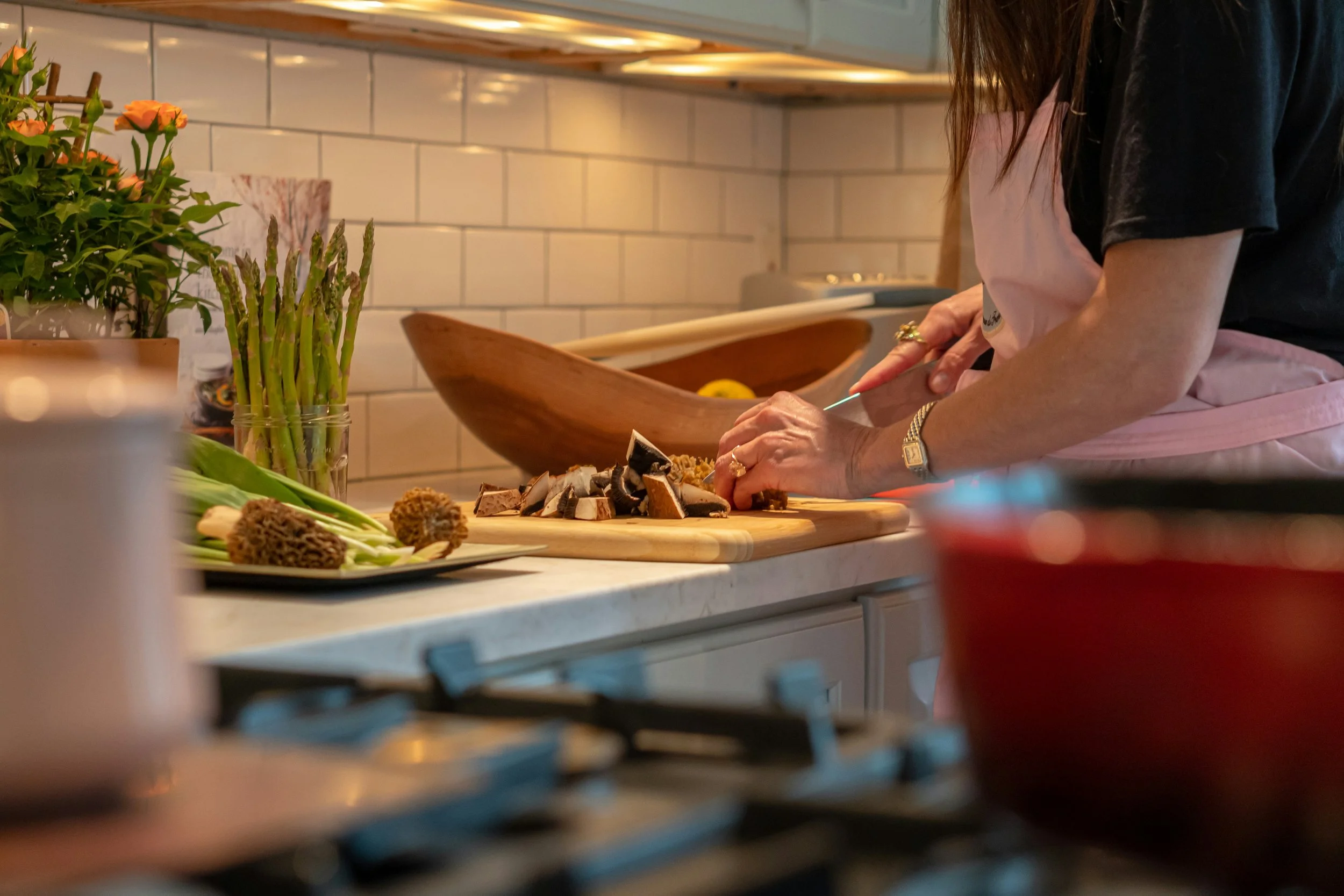
What helps me when food sensitivities feel hard to manage
Food sensitivities don't just feel hard when symptoms flare. It's the ongoing awareness, the planning, the fact that you can't fully switch off. What actually helps.

When food sensitivities go undiagnosed and what happens after
For years, every test came back normal. This is what happened when food turned out to be the reason, and why the diagnosis was only the beginning.
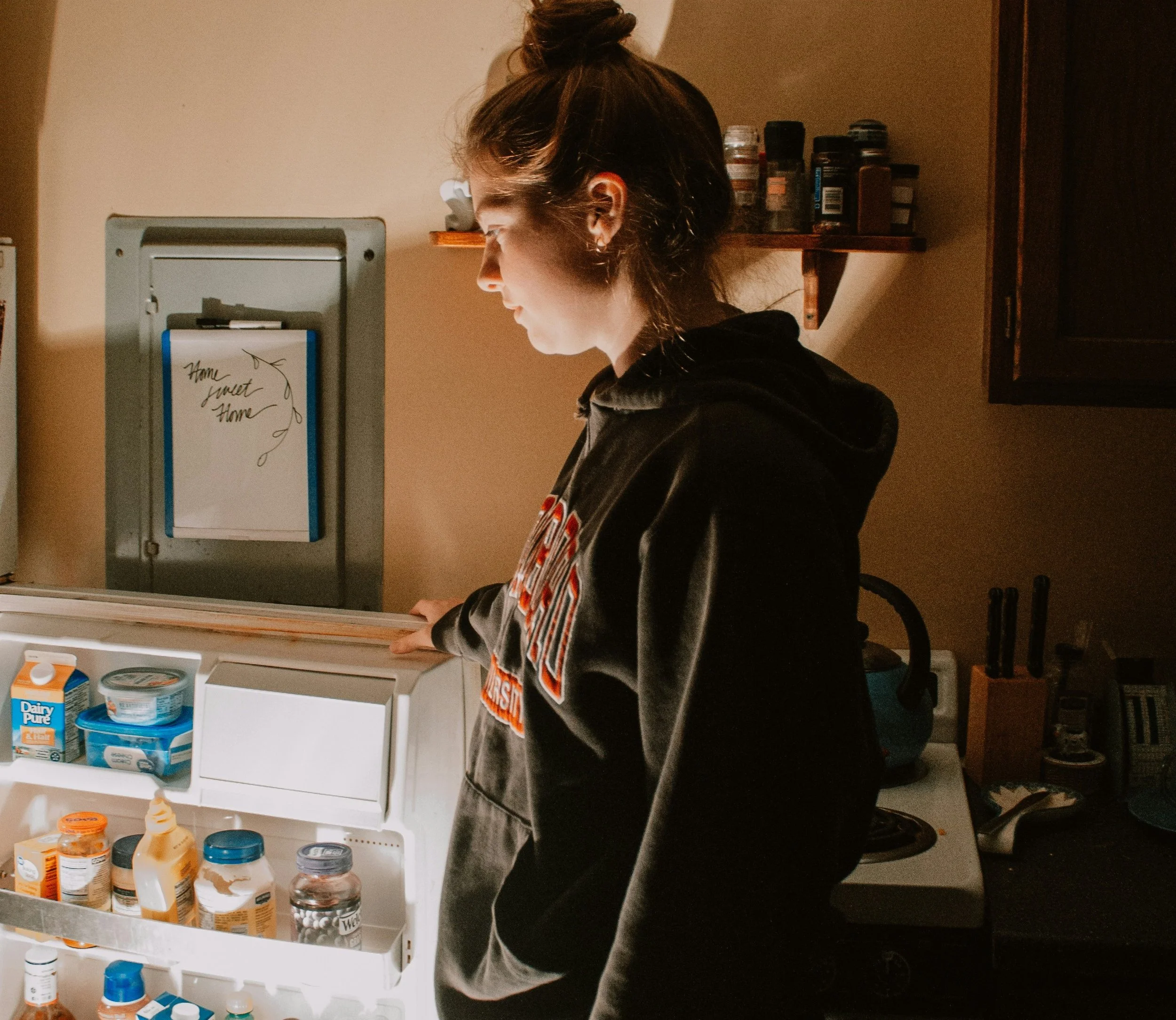
The mistakes that keep you stuck with food sensitivities
If you feel stuck with food sensitivities despite cutting more and more foods, the problem may not be your body but your approach. Here are the most common mistakes, from over-restriction to relying on inaccurate food intolerance tests, and what to do instead.
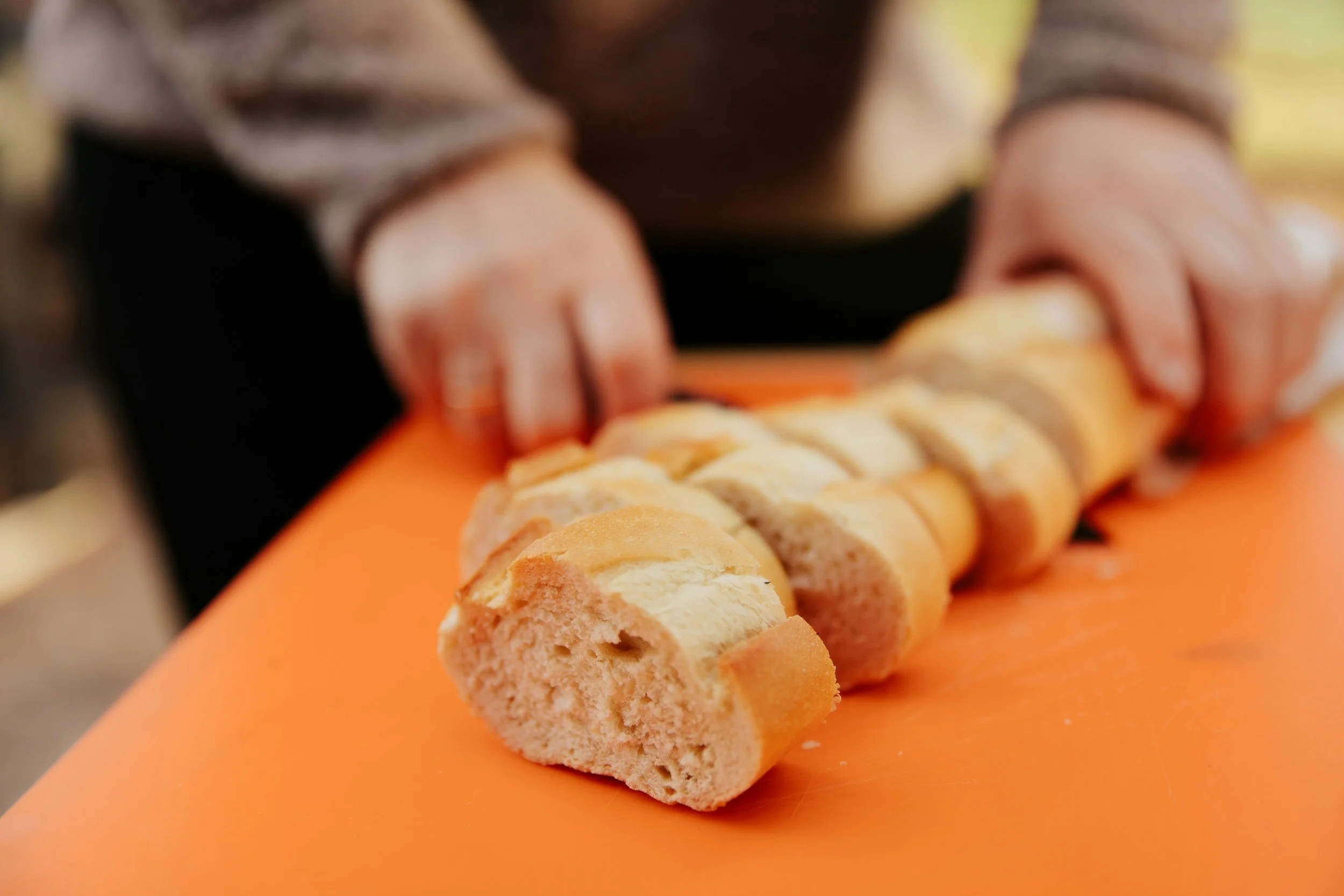
The food intolerance test said bread was fine. It wasn’t.
He’d say “the test was negative” every time I suggested cutting gluten. But nothing changed until he finally tried it.

Food sensitivities: from undiagnosed to finding balance
It took five and a half years to understand what was happening in my body. Before that, it just felt like a series of symptoms that didn’t make sense.